


- Luật bảo vệ môi trường
- Nghị định hướng dẫn thi hành luật môi trường
- Nghị định hướng dẫn thi hành luật môi trường (Bổ sung)
- Nghị định xử lý vi phạm luật môi trường
- Thông tư về hướng dẫn và đánh giá môi trường
- Quy chuẩn nước ngầm
- Nghị định quy định cấp phép thăm dò và sử dụng nguồn nước
- Nghị định về phí bảo vệ môi trường đối với nước thải
- Nghị định về phí bảo vệ môi trường đối với nước thải (Bổ sung)
- Quy chuẩn nước thải công nghiệp
- Quy chuẩn nước thải sinh hoạt
- Quy chuẩn khí thải công nghiệp
- Quy chuẩn không khí xung quanh
- Quy chuẩn tiếng ồn
- Quy chuẩn độ rung
- Nghị định quản lý chất thải rắn
- Thông tư chất thải nguy hại
- Tiêu chuẩn phân loại chất thải không nguy hại
- Quy chuẩn chất thải nguy hại
- Quy chuẩn kim loại nặng trong đất
- Luật hóa chất
- Nghị định an toàn hóa chất
- Luật phòng cháy chữa cháy
- Tiêu chuẩn quy định hệ thống chữa cháy
- Tiêu chuẩn phòng cháy chữa cháy cho doanh nghiệp và thương mại
- Thông tư hướng dẫn đăng ký và sử dụng các loại thiết bị
- Quy chuẩn an toàn phòng cháy chữa cháy nhà ở và công trình
- Tiêu chuẩn chống sét cho công trình xây dựng
- Quy chuẩn khí thải công nghiệp đối với chất hữu cơ
- Tiêu chuẩn phương tiện phòng cháy chữa cháy cho nhà ở và công trình
- Thông tư bộ công an hướng dẫn thi hành một số luật phòng cháy chữa cháy
- Thông tư quy định xác định cơ sở gây ô nhiễm môi trường
- Nghị định đánh giá môi trường chiến lược
Hiển thị các bài đăng có nhãn Môi trường. Hiển thị tất cả bài đăng
Hiển thị các bài đăng có nhãn Môi trường. Hiển thị tất cả bài đăng
Các quy định - luật môi trường

Municipal Solid Waste
Municipal Solid Waste (MSW)—more commonly known as trash or garbage—consists of everyday items we use and then throw away, such as product packaging, grass clippings, furniture, clothing, bottles, food scraps, newspapers, appliances, paint, and batteries. This comes from our homes, schools, hospitals, and businesses.
Each year EPA produces a report on MSW generation, recycling, and disposal.
In 2010, Americans generated about 250 million tons of trash and recycled and composted over 85 million tons of this material, equivalent to a 34.1 percent recycling rate . On average, we recycled and composted 1.51 pounds of our individual waste generation of 4.43 pounds per person per day (Figure 1 and Figure 2).


EPA encourages practices that reduce the amount of waste needing to be disposed of, such as waste prevention, recycling, and composting.
- Source reduction, or waste prevention, is designing products to reduce the amount of waste that will later need to be thrown away and also to make the resulting waste less toxic.
- Recycling is the recovery of useful materials, such as paper, glass, plastic, and metals, from the trash to use to make new products, reducing the amount of new raw materials needed.
- Composting involves collecting organic waste, such as food scraps and yard trimmings, and storing it under conditions designed to help it break down naturally. This resulting compost can then be used as a natural fertilizer.
In 2010, newspaper/mechanical papers recovery was about 72 percent (7 million tons), and about 58 percent of yard trimmings were recovered (Figure 3). Total MSW generation in 2010 was 250 million tons. Organic materials continue to be the largest component of MSW. Paper and paperboard account for 29 percent and yard trimmings and food scraps account for another 27 percent. Plastics comprise 12 percent; metals make up 9 percent; and rubber, leather, and textiles account for 8 percent. Wood follows at around 6 percent and glass at 5 percent. Other miscellaneous wastes make up approximately 3 percent of the MSW generated in 2010 (Figure 4).
This section describes the requirements for disposal and combustion of Municipal Solid Waste:
- Landfills are engineered areas where waste is placed into the land. Landfills usually have liner systems and other safeguards to prevent polluting the groundwater.
- Energy Recovery from Waste is the conversion of non-recyclable waste materials into useable heat, electricity, or fuel.
- Combustion of MSW is done to reduce the amount of landfill space needed.
- Transfer Stations are facilities where municipal solid waste is unloaded from collection vehicles and briefly held while it is reloaded onto larger, long-distance transport vehicles for shipment to landfills or other treatment or disposal facilities.
Resource Conservation
Recycling and composting prevented 85.1 million tons of material away from being disposed of 2010, up from 15 million tons in 1980. This prevented the release of approximately 186 million metric tons of carbon dioxide equivalent into the air in 2010—equivalent to taking 36 million cars off the road for a year. Learn more about how common wastes and materials, including food and yard wastes, paper, metals, and electronics, contribute to MSW generation and how they can be recycled.


(Origin: http://www.epa.gov)
Môi trường Châu Thành
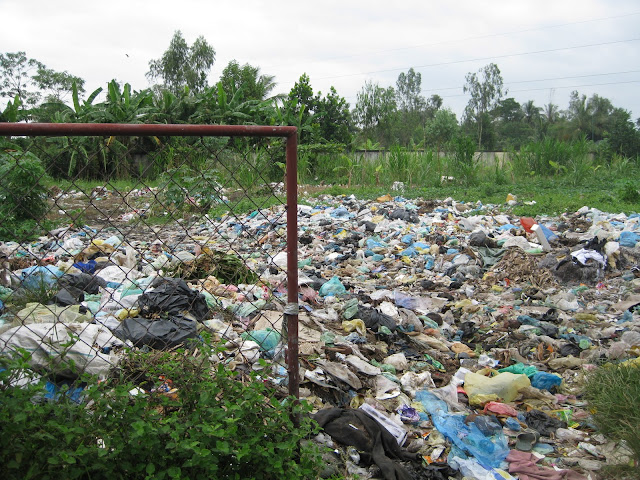
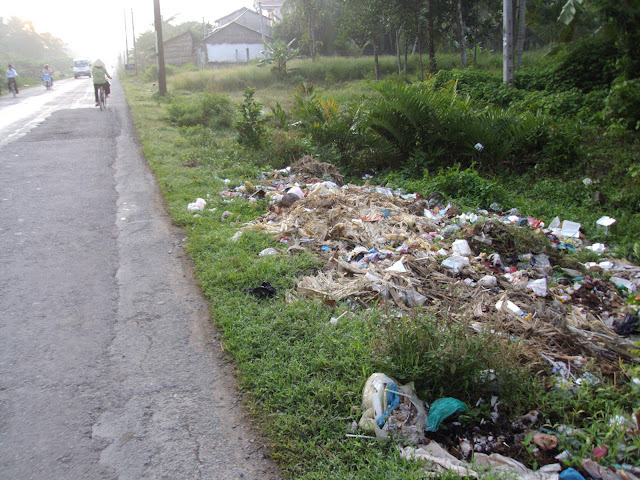
1. Bãi rác Trà Vinh: Ô nhiễm khi tiêu hủy rác 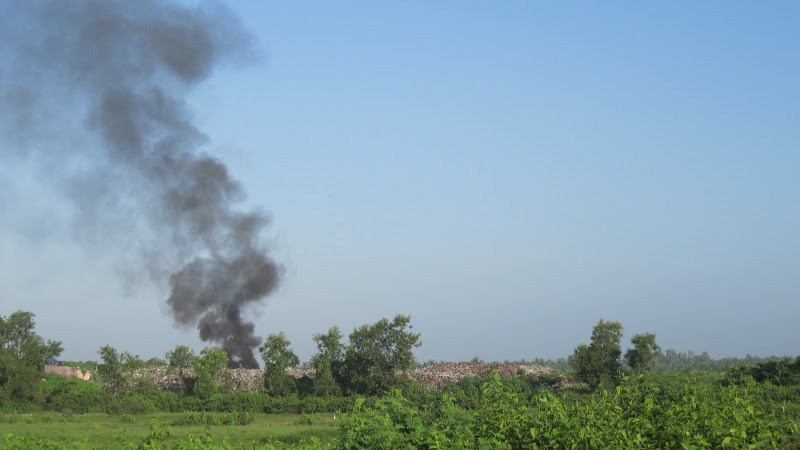

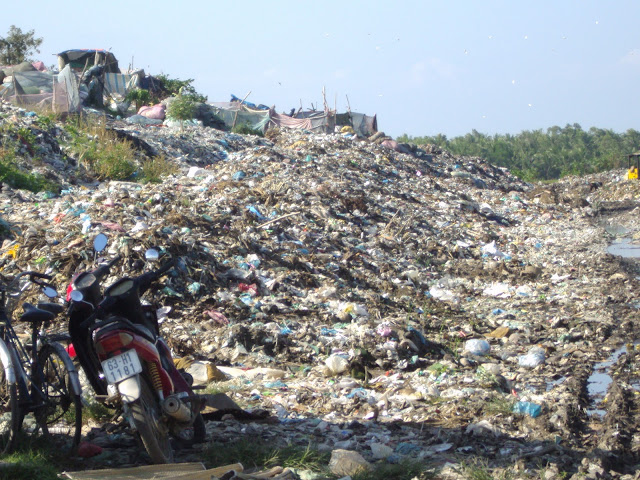


(Nguồn: Mỹ Linh)
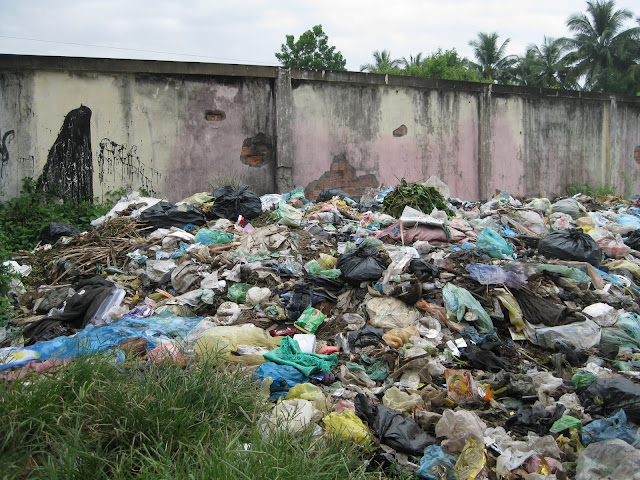
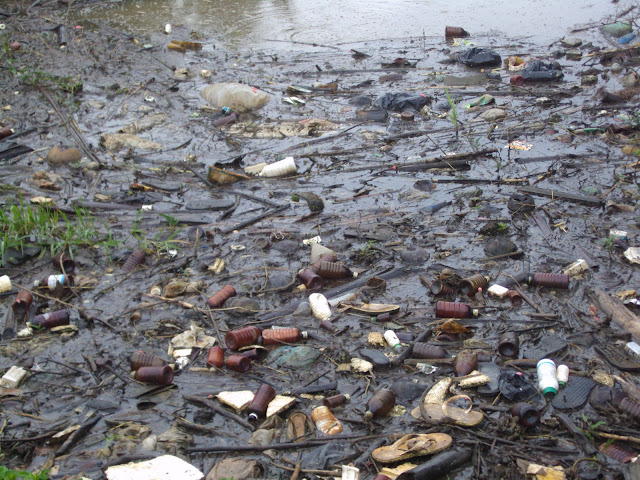
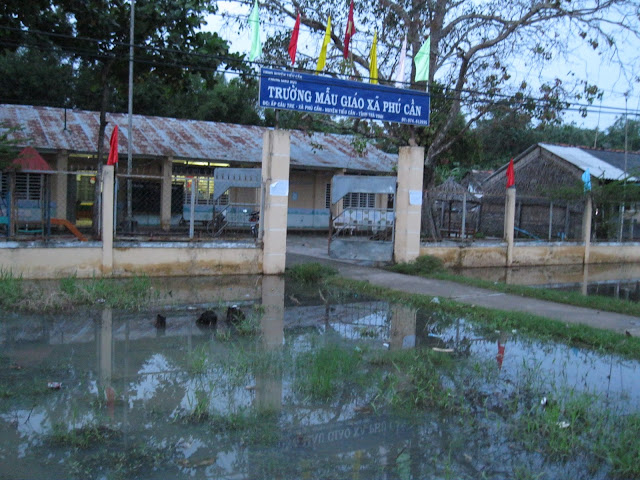
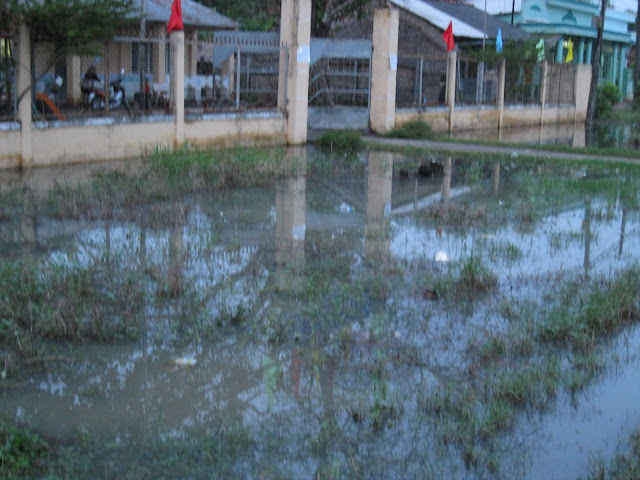
2. Bãi rác Châu Thành
(Nguồn: Shymart)
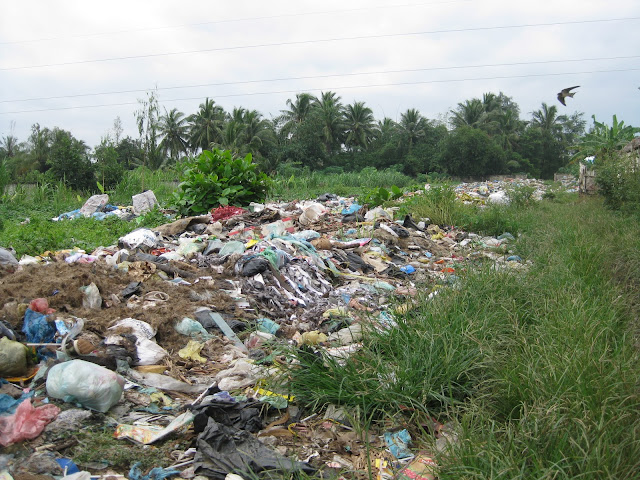
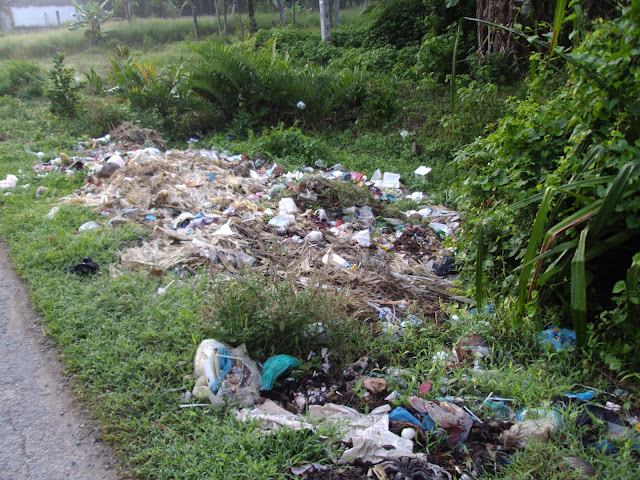
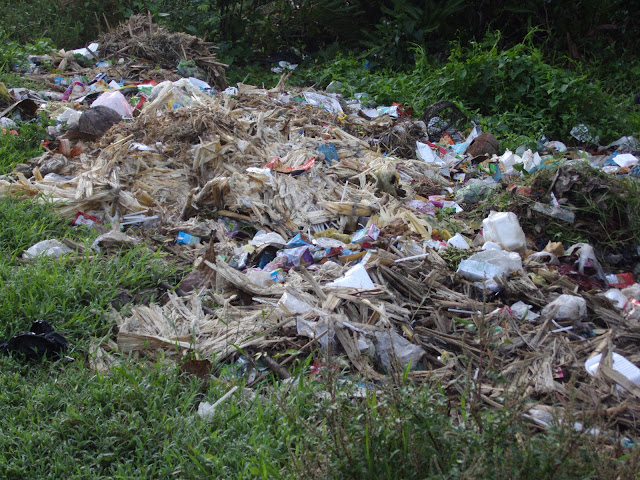
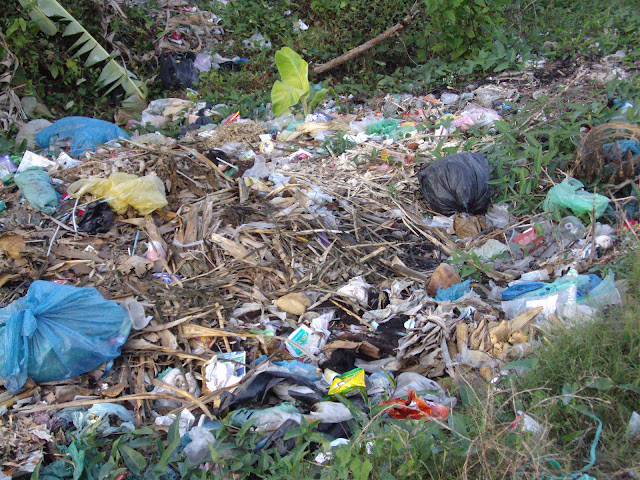
3. Bãi rác bên lề


(Nguồn: Mỹ Linh)












Đăng ký:
Bài đăng (Atom)